
Recognizing Death as an Opportunity for Awakening
Within the Bön tradition, death is understood not as an ending, but as a sacred part of the continuum of life—a profound transition that offers the possibility of complete liberation from suffering and release from the cycle of samsara.
This collection of teachings and practices is offered in support of our sangha and extended community. Whether you are preparing for your own transition, caring for a loved one who is dying, or supporting a fellow practitioner, these resources are here to guide and sustain you.
If you are new to the teachings and practices of Bön, we welcome you with open hearts. May you find what is meaningful and helpful to you in these offerings, and and may they nurture clarity, compassion, and courage for all who encounter them.
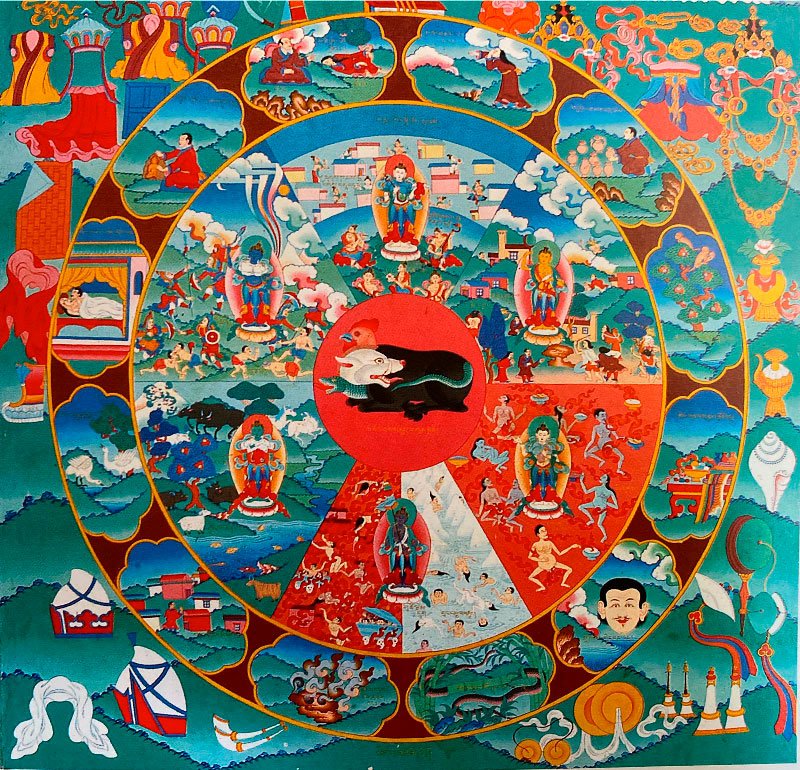
Wheel of Life, designed by Yongdzin Tenzin Namdak Rinpoche, visible at Triten Norbutse Monastery, Kathmandu, Nepal.

Preparing for Death with Awareness
Contemplating the truth of impermanence and the certainty of death deepens our spiritual exploraton and invites us to live with greater appreciation, presence, and joy.
Through the Bön teachings, we are guided to meet each moment—however uncertain—with openness and trust. The practice of meditating on stillness, silence and spaciousness helps us connect with our innate wisdom and strength, supporting us as we prepare for the profound transition of death, both for ourselves and those we care for.
Sharing intentions with friends and loved ones by creating a dharma will can bring peice of mind, conveying your wishes in relation to practice and environment at the time of death.
Connecting with Light and Peace at the Moment of Passing
As the moment of death approaches, inner refuge is a profound support. In the presence of uncertainty and change, the teachings of inner refuge encourage us to open. The light of awareness of the openness of our being supports us to meet change without fear, guiding us in life and in death.
For the caregiver or support person, resting in the openness of being allows you to offer the warmth of presence to the person who is dying. In navigating this profound transition, the refuge of unbounded openness is an unshakable support.

Supporting the Journey after Death with Compassion
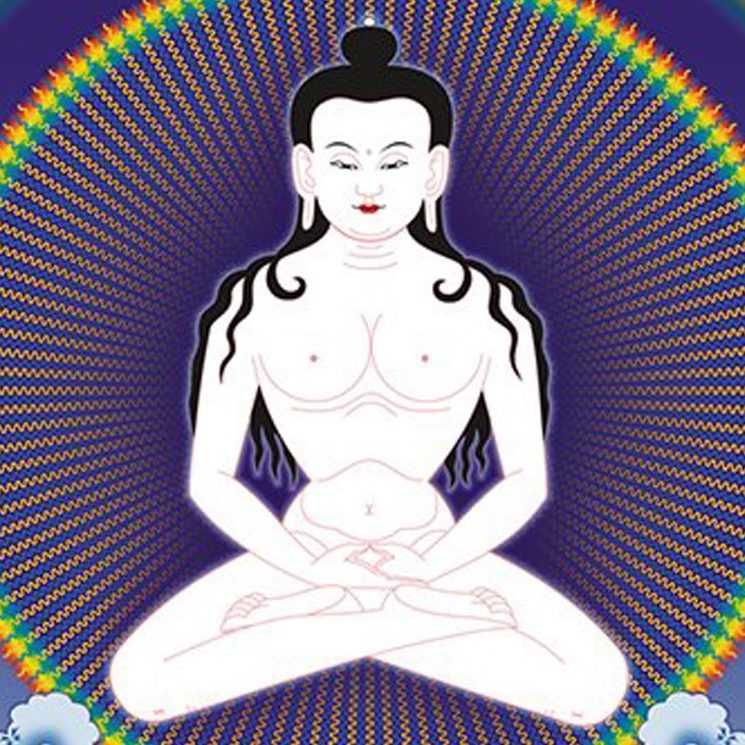
In the Tibetan spiritual traditions, the 49 days after death are regarded as a sacred passage, a time when the consciousness of the departed moves through the bardo—the transition between death and rebirth. During this time, various subtle emotions or inner experiences may arise in the consciousness of the deceased, much like the dreams or reflections we encounter in life. Just as in life, these too, can be embraced with loving-kindness, generosity, openness, peacefulness, and compassion.
As family, friends, or members of the sangha, we can offer steady support through our presence, prayers, and heartfelt intention. Practices such as recitation of the MA TRI mantra, and the dedication of merit become offerings of love—helping to support and comfort the one who has passed as they continue their journey.
Upcoming
Frequently Asked Questions
css none
Your content goes here. Edit or remove this text inline or in the module Content settings. You can also style every aspect of this content in the module Design settings and even apply custom CSS to this text in the module Advanced settings.
How long after the person dies can I request powa?
Can I request powa or recite mantras for someone who is not a Bon practitioner?
Can I have my ashes sent to Serenity Ridge in Virginia?
css none
Your content goes here. Edit or remove this text inline or in the module Content settings. You can also style every aspect of this content in the module Design settings and even apply custom CSS to this text in the module Advanced settings.
Question 1
Your content goes here. Edit or remove this text inline or in the module Content settings. You can also style every aspect of this content in the module Design settings and even apply custom CSS to this text in the module Advanced settings.
Question 2
Your content goes here. Edit or remove this text inline or in the module Content settings. You can also style every aspect of this content in the module Design settings and even apply custom CSS to this text in the module Advanced settings.
Question 3
Your content goes here. Edit or remove this text inline or in the module Content settings. You can also style every aspect of this content in the module Design settings and even apply custom CSS to this text in the module Advanced settings.